
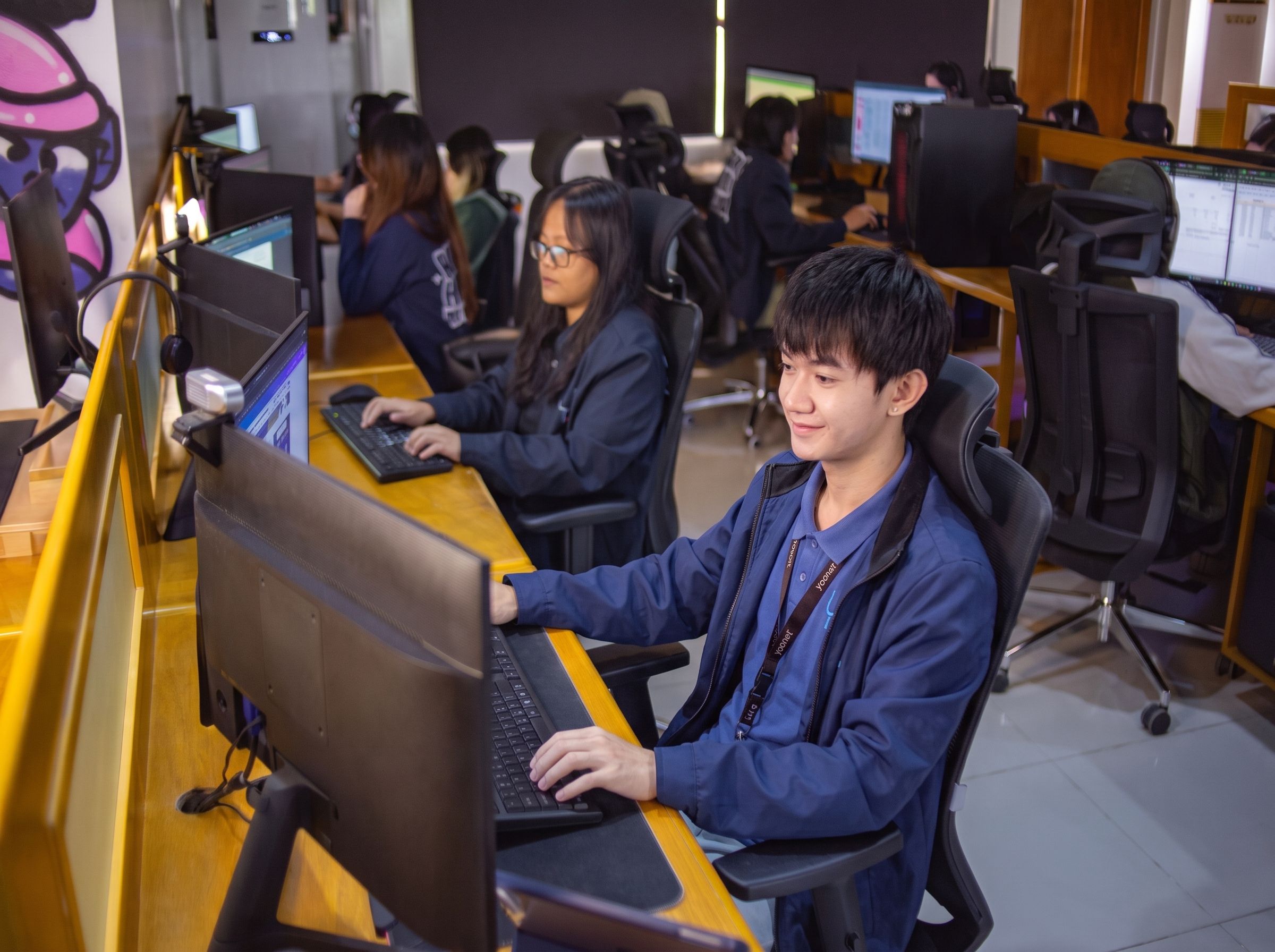
A BPO, or Business Process Outsourcing company, in the Philippines provides trained staff who handle business functions such as administration, customer service and bookkeeping on your behalf. For Australian businesses, a Philippine BPO offers skilled English speaking talent at a lower cost, with enough timezone overlap that same day collaboration is normal rather than exceptional.
If you have looked into outsourcing at all, you have almost certainly come across the term. It means handing a specific business function to an external team that delivers it for you. For thousands of Australian businesses, that external team sits in the Philippines. This guide explains what that actually involves, why the country dominates the industry, and how to decide whether it is the right move for you.
The Philippines became the natural home for outsourcing for a few clear reasons: a large, well educated, English speaking workforce, strong cultural alignment with Western business norms, and a government that has actively supported the sector for decades. The result is one of the largest BPO industries in the world, serving companies across Australia, New Zealand, the United States and the United Kingdom from a single talent pool.
Why Australian businesses use Philippine BPOs
For Australian and New Zealand businesses in particular, the combination of cost, talent and timezone is hard to match anywhere else.
- Lower cost without lower quality. Labour costs in the Philippines are significantly lower than in Australia, but the skill level is not. A skilled administrator, bookkeeper or customer service specialist costs a fraction of the equivalent local hire once you account for salary, superannuation, office space and leave. For many small and mid sized businesses, that is the difference between affording extra capacity and going without.
- A deep, English speaking talent pool. English is an official language of the Philippines and the primary language of business and education. Filipino professionals communicate clearly with Australian customers, and they already know the tools Australian businesses use, from Xero and QuickBooks to Cliniko and Microsoft 365.
- A timezone that actually works. The Philippines is only two to three hours behind eastern Australia. Your offshore team works the same day you do. Send a task in the morning and it is done before you finish, with no overnight lag.
- Cultural fit and service mindset. Filipino workplace culture places a high value on warmth, loyalty and service, which shows up as team members who care about the work and stay for the long term.
Office based BPO versus remote staffing
Not every Philippine outsourcing arrangement is built the same way, and the distinction matters more than most people realise.
A remote staffing or freelance arrangement connects you with an individual working from home, usually on their own equipment and internet connection. It is the cheapest option upfront and it can work for simple, low sensitivity tasks. The trade offs are real: home internet can be unreliable, data security is hard to guarantee, and there is little management oversight when something goes wrong.
An office based BPO runs differently. Your team member works from a secured, professionally managed facility with reliable infrastructure, proper IT support, on site management and physical controls such as CCTV and restricted access. Client data stays inside a protected environment rather than on a personal laptop. For any business handling customer records, financial information or health data, that is a materially different risk position.
The right choice depends on the sensitivity of the work. If the role touches anything confidential, the office based model is almost always worth the modest premium.
How to choose the right BPO
The market is large and quality varies enormously, so it pays to assess each provider against a few clear criteria.
- Compliance with Philippine labour law. A legitimate provider employs every team member properly and pays all mandatory benefits: SSS, PhilHealth, Pag-IBIG and 13th month pay. If pricing looks impossibly cheap, the provider may be cutting corners on compliance, and that risk eventually becomes yours.
- Staff retention. High turnover is the hidden cost of outsourcing, and we have counted it properly in the real cost of churn in offshore teams. Ask every provider for their retention rate. A strong provider shares it openly.
- Office based operations. Ask whether your team member will work from a managed facility or from home, and whether you are welcome to visit and meet them in person.
- Industry fit. A generalist BPO and a specialist BPO are different products. If your business has specific workflows or compliance requirements, a provider with genuine experience in your sector will deliver far more than a generalist learning on the job.
Weigh those four against your own priorities and the shortlist gets short quickly. Our honest comparison of the established providers works through the same criteria across six companies, including ourselves.
How Yoonet works
Yoonet is an office based BPO that has supported Australian and New Zealand businesses since 2011, operating from a secured facility in Balanga City, Bataan. We recruit, employ and manage your team member in full compliance with Philippine law, so you get the capacity without the administrative burden. Our retention rate is 89.29%, well above the industry norm, which means less disruption and more continuity for you.
A BPO in the Philippines is not the right answer for every business. But for many Australian businesses looking to grow capacity affordably without sacrificing quality, it is one of the smartest moves available, provided you choose a compliant, office based provider with strong retention and real experience in your industry.
If you want an honest assessment of whether it suits your business, the best place to start is a conversation. We will walk you through the options, and tell you plainly if outsourcing is not the right fit.